
In today’s rapidly evolving economic landscape, achieving financial stability and long-term wealth requires more than just earning a salary. Personal finance has become a critical skill set for individuals seeking to navigate inflation, market volatility, and shifting interest rates. Whether you’re looking to optimize your investment portfolio, reduce credit card debt, or explore retirement savings options, a comprehensive approach can transform your financial future. This in-depth guide explores proven strategies, high-impact tactics, and essential tools to help you build sustainable wealth. With expert insights on budgeting tips, passive income streams, and mortgage refinancing, you’ll gain actionable knowledge to make informed decisions.
Understanding the Foundations of Personal Finance
Personal finance encompasses the management of income, expenses, savings, and investments. At its core, it involves creating a balanced framework that aligns with your goals—whether short-term needs like emergency funds or long-term aspirations such as home ownership and comfortable retirement.
Start with assessing your current financial health. Calculate your net worth by subtracting liabilities from assets. Track monthly cash flow meticulously. Many people underestimate the power of small daily habits; for instance, reviewing bank statements weekly can reveal hidden fees or unnecessary subscriptions that erode wealth over time.
One of the most effective entry points is implementing robust budgeting tips. The 50/30/20 rule—allocating 50% of income to needs, 30% to wants, and 20% to savings and debt repayment—remains a timeless benchmark. In 2026, with rising living costs, enhance this by using apps that automate categorization and provide real-time alerts. Tools like Mint or YNAB (You Need A Budget) integrate seamlessly with accounts, offering visualizations that make tracking effortless.
Debt consolidation emerges as a vital strategy for those burdened by high-interest obligations. Combining multiple debts into a single lower-rate loan can save thousands in interest payments. Explore options like balance transfer credit cards with introductory 0% APR periods, but always calculate the break-even point to avoid pitfalls.
Tackling Credit Card Debt and High-Interest Burdens
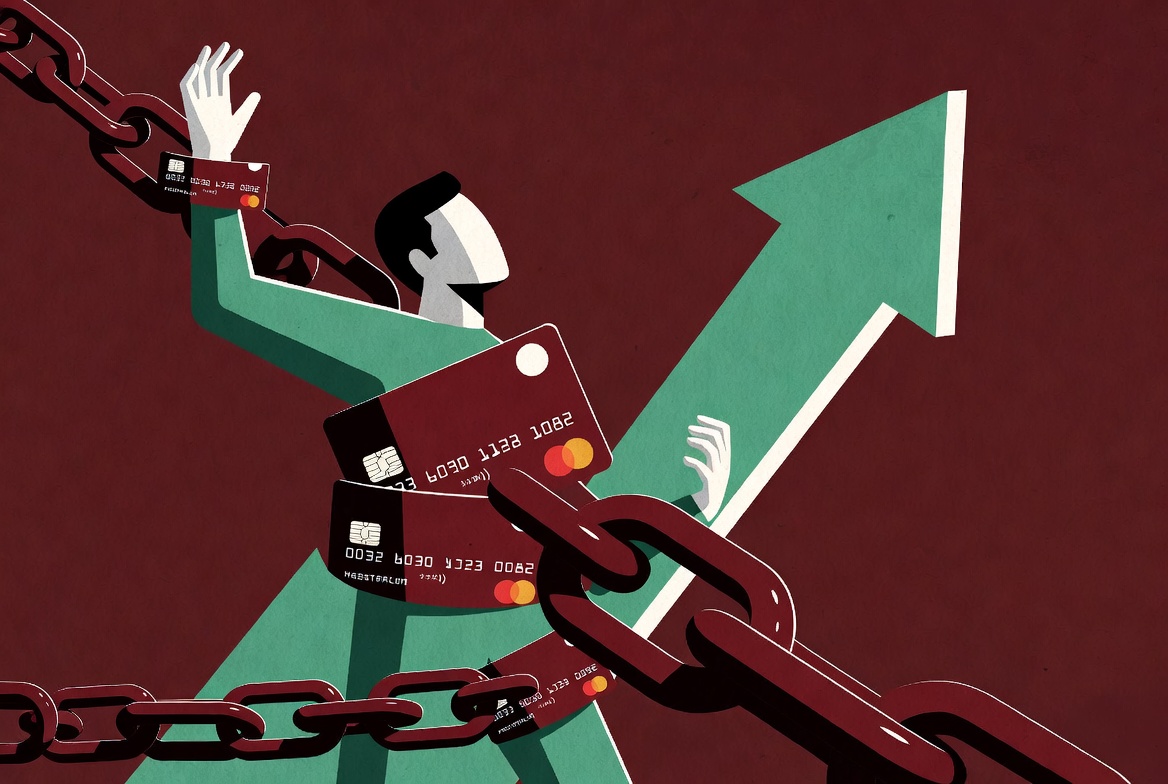
Credit card debt continues to plague millions, with average household balances often exceeding $6,000 amid persistent inflation. The key to eradication lies in the debt avalanche or snowball method. The avalanche prioritizes highest-interest debts first for maximum savings, while the snowball focuses on smallest balances for psychological wins.
Consider personal loans as a strategic tool for debt consolidation. These installment loans typically offer fixed rates between 7-36% APR, depending on credit score, providing predictability absent in revolving credit. Shop around using comparison platforms to secure the best terms. In 2026, fintech lenders leverage AI for faster approvals, making personal loans more accessible even for those with fair credit.
Avoid the minimum payment trap. Paying only the minimum on credit card debt extends repayment timelines dramatically and inflates total costs due to compounding interest. Aim to pay at least 1.5-2 times the minimum while building an emergency fund equivalent to 3-6 months of expenses.
Building a Robust Investment Portfolio
Diversification stands as the cornerstone of any successful investment portfolio. In a world of geopolitical tensions and technological disruptions, spreading risk across asset classes mitigates volatility. Equities, bonds, real estate, and alternative investments each play distinct roles.
Stock trading has democratized through zero-commission platforms, but success demands education. Focus on fundamental analysis—evaluating earnings, P/E ratios, and competitive advantages—alongside technical indicators. For beginners, index funds tracking the S&P 500 provide broad exposure with historically superior long-term returnsq compared to active management.
Incorporate crypto investments judiciously. While Bitcoin and Ethereum have matured, regulatory clarity in 2026 reduces some risks, yet volatility persists. Limit crypto to 5-10% of your investment portfolio and use dollar-cost averaging (DCA) to smooth entry points. Research blockchain projects with real utility, such as decentralized finance (DeFi) protocols offering yield farming opportunities.
Passive income generation amplifies wealth acceleration. Dividend aristocrats—companies with decades of increasing payouts—form a reliable base. Real estate investment trusts (REITs) allow property exposure without direct management. Peer-to-peer lending platforms and creating digital products (e-books, online courses) further diversify income streams.
Retirement Savings Planning for a Secure Future

Retirement savings should begin as early as possible to harness compound interest. Maximize contributions to tax-advantaged accounts like 401(k)s, IRAs, or their international equivalents. In 2026, contribution limits have increased, with catch-up provisions for those over 50.
Employer matches represent free money—always contribute enough to capture the full match. Consider Roth options for tax-free growth if you anticipate higher future tax brackets. For self-employed individuals, SEP IRAs or Solo 401(k)s offer higher limits and flexibility.
A financial advisor can provide personalized guidance, especially for complex situations involving inheritance, business ownership, or blended families. Fee-only fiduciaries prioritize your interests, charging 0.5-1% of assets under management. Robo-advisors like Betterment or Wealthfront offer low-cost automated investment portfolio management using modern portfolio theory.
Project your needs using retirement calculators. Factor in healthcare costs, which escalate significantly post-65, and potential longevity to age 95+. Aim for a nest egg of 10-12 times your final salary as a general benchmark.
Mortgage Refinancing and Homeownership Strategies
Homeownership remains a primary wealth-building vehicle for many. With fluctuating rates, mortgage refinancing can unlock substantial savings. When rates drop 0.75-1% below your current mortgage, refinancing often pays for itself within 2-3 years through lower monthly payments or shortened terms.
Evaluate cash-out refinances for debt consolidation or home improvements that boost property value. In 2026, adjustable-rate mortgages (ARMs) may appeal in declining rate environments, but fixed-rate options provide stability.
Beyond the primary residence, explore real estate as an investment portfolio diversifier. Rental properties generate passive income and appreciate over time, though they require due diligence on location, tenant screening, and maintenance reserves. House hacking—living in one unit while renting others—lowers personal housing costs while building equity.
Advanced Budgeting Tips and Expense Optimization
Elevate basic budgeting tips with zero-based budgeting, where every dollar is assigned a purpose. Negotiate bills annually—cable, insurance, and utilities often yield reductions. Embrace lifestyle inflation resistance: as income grows, prioritize savings rate increases over luxury spending.
Track net worth monthly using spreadsheets or dedicated apps. Visualize progress with charts to maintain motivation. Implement the “pay yourself first” principle by automating transfers to savings and investment accounts immediately upon payday.
For high earners, explore tax optimization strategies. Maximize deductions through charitable contributions, HSA accounts for medical expenses, and 529 plans for education savings. In volatile markets, tax-loss harvesting in taxable investment portfolios offsets gains efficiently.
Financial Advisor Selection and Professional Guidance
Choosing the right financial advisor involves verifying credentials (CFP, CFA) and understanding their compensation model. Fee-only avoids conflicts from product commissions. During initial consultations, assess their communication style and specialization—some excel in retirement savings, others in estate planning.
For younger professionals, hybrid models combining human advice with digital tools strike an optimal balance. Regularly review your plan annually or after major life events like marriage, divorce, or career changes.
Navigating Economic Uncertainty and Stock Trading Tactics
Stock trading in uncertain times demands discipline. Implement stop-loss orders to protect capital and rebalance investment portfolios quarterly. Value investing, popularized by Warren Buffett, focuses on undervalued companies with strong moats.
Growth stocks in AI, renewable energy, and biotech offer higher potential but increased risk. Dollar-cost averaging into broad ETFs reduces timing pressure. Stay informed via reputable sources while avoiding emotional decisions driven by headlines.
Crypto investments warrant a separate risk assessment. Use hardware wallets for security and understand tax implications—many jurisdictions treat them as property. Staking and yield-bearing stablecoins can generate passive income, but research platform risks thoroughly.
Personal Loans for Strategic Opportunities
Beyond debt relief, personal loans fund home renovations, education, or business startups. Compare APRs, origination fees, and prepayment penalties. Excellent credit unlocks rates under 10%, while building credit through on-time payments and low utilization ratios improves future access.
Long-Term Wealth Mindset and Estate Planning
Cultivate a growth-oriented mindset. Read classics like “The Intelligent Investor” and “Rich Dad Poor Dad.” Surround yourself with financially literate peers. Teach children money management early to break generational cycles.
Estate planning ensures smooth wealth transfer. Draft wills, establish trusts, and review beneficiary designations. Life insurance provides protection for dependents, with term policies offering affordable coverage during peak earning years.
Implementing Your Personal Finance Action Plan
- Assess and Budget: Review finances this week and implement a budgeting tips system.
- Eliminate High-Cost Debt: Target credit card debt aggressively using personal loans if appropriate.
- Build Emergency Fund: Aim for 3-6 months in a high-yield savings account.
- Invest Consistently: Automate contributions to your investment portfolio and retirement savings.
- Optimize Housing: Explore mortgage refinancing opportunities.
- Diversify Income: Develop at least one passive income stream.
- Seek Expertise: Consult a financial advisor for complex needs.
- Monitor and Adjust: Review progress quarterly.
Conclusion: Your Path to Financial Freedom
Mastering personal finance is a journey requiring patience, discipline, and continuous learning. By focusing on debt consolidation, strategic stock trading, prudent crypto investments, and diligent retirement savings, you position yourself for prosperity. Mortgage refinancing, smart budgeting tips, and professional financial advisor input amplify results.
Start today with one actionable step—perhaps opening a high-yield savings account or reviewing your investment portfolio. The compound effect of consistent efforts over decades creates extraordinary outcomes. In 2026 and beyond, financial empowerment lies within reach for those who commit to informed, proactive management.
This comprehensive approach addresses core challenges while highlighting high-value opportunities. Implement these principles, stay adaptable to market changes, and watch your wealth trajectory soar. Remember, the most powerful investment is in your financial education and habits.